Controlling Heat in the Age of AI
From Chip Cooling to Data Centers and Thermal Energy Utilization
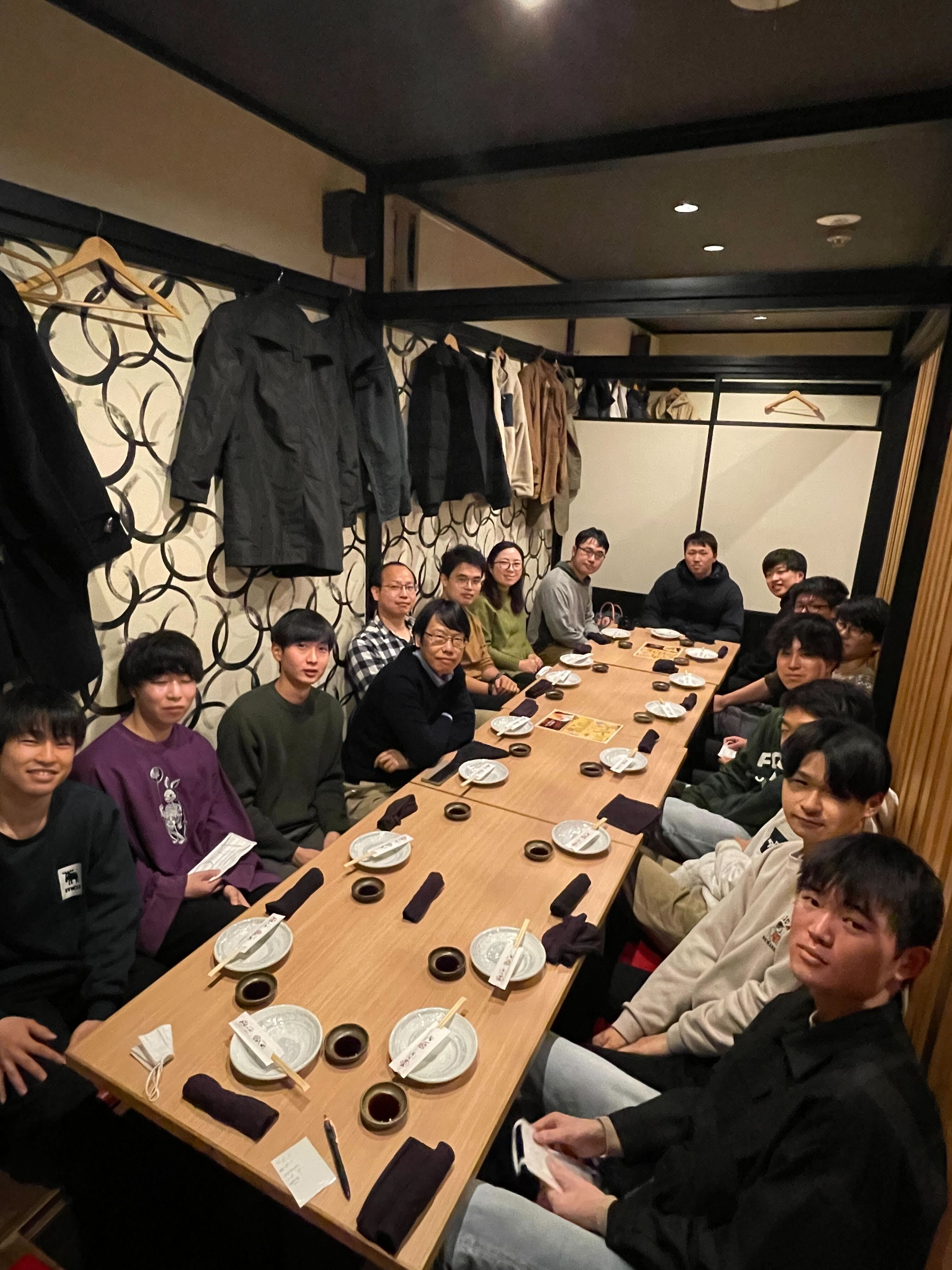
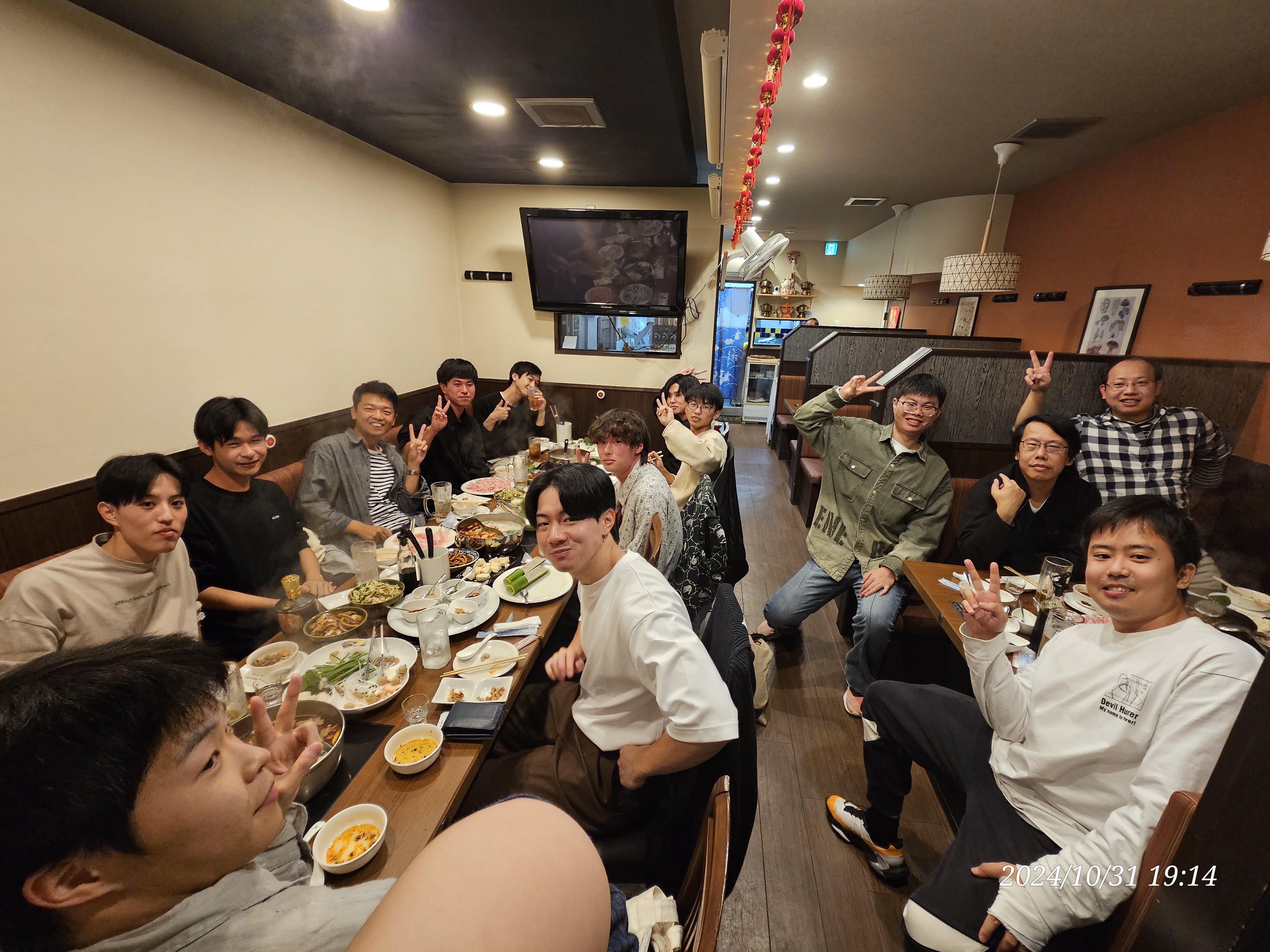
The Smart Thermal System Laboratory at the University of Fukui was established in April 2021. Our work is based on gas-liquid two-phase flow and phase-change heat transfer, with particular interest in boiling, evaporation, condensation, and their use in practical thermal management.
Data-center cooling is now one of our main research areas. As CPUs and GPUs become more powerful, cooling systems are moving from air cooling to liquid cooling. If heat density continues to rise, however, single-phase liquid cooling requires higher flow rates and more pumping power. Rather than simply trying to avoid boiling, we study how boiling can be used in a stable and controlled way to remove heat through phase change.
We also work on heat pumps, low-GWP refrigerants, frosting and defrosting, and waste-heat utilization. Our research ranges from local phenomena such as bubbles and thin liquid films to cold plates, heat exchangers, and complete thermal systems.
1. Next-Generation Cooling for AI and Data Centers
Most liquid-cooled data centers today use single-phase cold plates. As chip power increases, this approach requires higher flow rates and pumping power, and temperature differences across the cold plate become more difficult to control. We are therefore studying two-phase cooling that uses boiling and latent heat to remove larger heat loads.
One of our main concepts is the radially expanding-channel cold plate. The flow area becomes larger in the downstream direction, giving the vapor generated by boiling more room to leave the heated region. This helps reduce pressure drop and backflow. Our current work includes not only individual cold plates but also series and parallel connections for multiple CPUs and GPUs, as well as operation when two-phase flow enters a downstream cold plate.
We are also studying dielectric immersion cooling and internal microchannel cooling for future 3D-packaged semiconductor devices.
2. Self-Pumping Boiling
Stable boiling at high heat flux requires two things at the same time: vapor must leave the heated surface, and fresh liquid must continue to reach it. At high heat flux, these two flows can interfere with each other, making liquid supply more difficult and eventually causing dryout.
To address this problem, we study self-pumping (self-suction) boiling. Pressure changes created by bubble growth and expansion are used to draw liquid through a porous layer toward the heated surface. Vapor is discharged through expanding channels so that the liquid-supply path and vapor-removal path are separated as much as possible.
Current work focuses on how far this liquid-supply mechanism can be maintained at high heat flux, and whether it remains effective for downward-facing heating and at low pressure. We are also considering applications to data-center cooling and 3D-packaged devices where space and orientation can be restrictive.
3. Two-Phase Flow, Phase Change, and Advanced Heat Transfer Surfaces
The performance of two-phase cooling depends strongly on what happens very close to the wall: where bubbles form, how they grow, how thin liquid films develop, and when local dryout begins. Understanding these local phenomena is essential for designing reliable cold plates and heat exchangers.
We use high-speed visualization, temperature and pressure measurements, microscopy, and CFD to study flow boiling, pool boiling, slug flow, thin liquid films, and condensation in micro- and mini-channels. We also examine the effects of channel size, fluid properties, refrigerant mixtures, and lubricating oil on heat transfer and pressure drop.
Another part of our work is surface design. By controlling wettability and using microgrooves, metal foams, meshes, and other porous structures, we study how to supply liquid to the heated surface while allowing vapor to leave easily.
4. Next-Generation Refrigerants, Heat Pumps, and Frost/Defrost Control
Heat-pump performance depends strongly on both the working fluid and the heat exchangers. We study boiling, condensation, and two-phase flow of low-GWP refrigerants, natural refrigerants, and refrigerant mixtures, including the influence of lubricating oil.
Frosting is another important issue for air-source heat pumps in winter. Frost increases air-side resistance and reduces heat transfer. We study how surface wettability and microstructures affect frost growth, how meltwater can be removed more quickly during defrosting, and how photothermal surfaces can be used for anti-icing and defrosting.
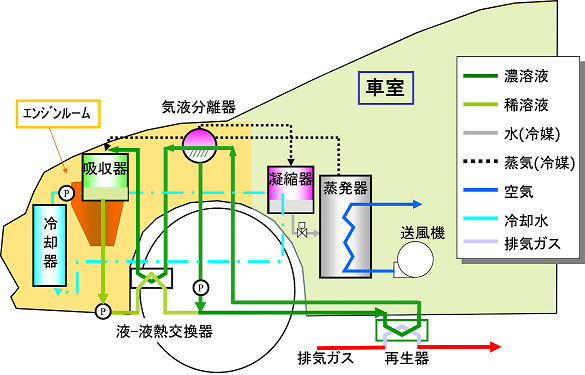
These studies are relevant to building air conditioning, cold-climate heat pumps, and thermal management for electric vehicles.
5. Data Center Waste Heat and Thermal Energy Utilization
As data-center power use increases, the amount of heat rejected by the cooling system also increases. Liquid cooling makes it possible to recover this heat at a higher temperature than air cooling, which makes practical reuse easier.
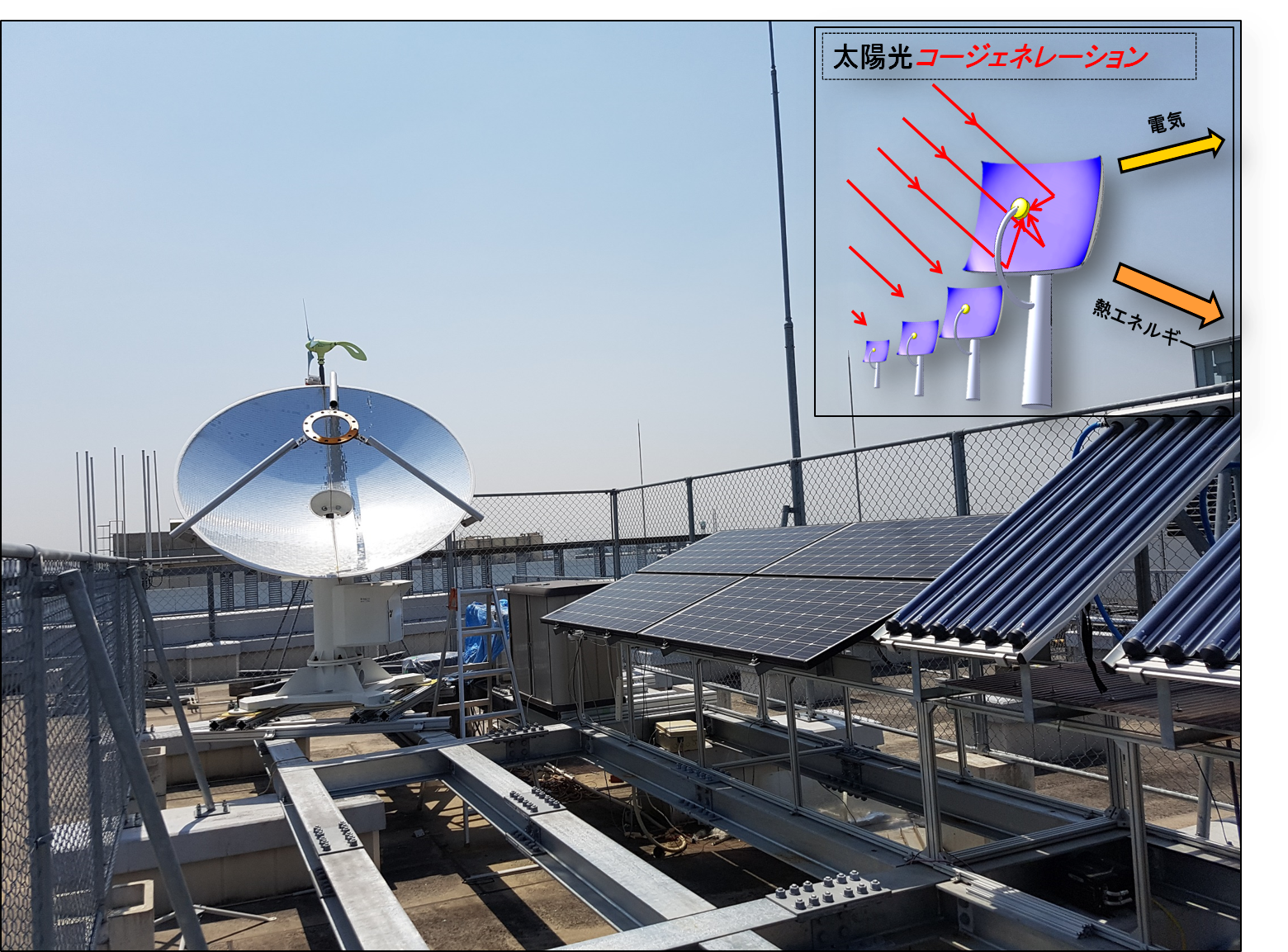
We study the use of heat pumps to raise the temperature of recovered heat for hot water, space heating, and industrial processes. We also investigate thermal storage, adsorption and desiccant materials, and thermoresponsive materials to deal with the fact that heat supply and heat demand do not always occur at the same time.
The basic idea is simple: we do not want to stop at cooling the equipment; we also want to make useful use of the heat after it has been removed.
How We Work
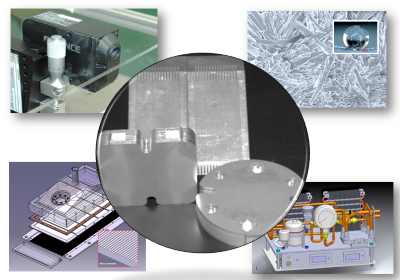
Most of our research is experimental. We design and build many of our own flow channels, test sections, heat exchangers, and heat-transfer surfaces. During experiments, we combine high-speed visualization with measurements of temperature, pressure, and flow rate, and use CFD when it helps us understand the observed behavior.
We also work closely with companies and with universities and research institutes in Japan and overseas. Depending on the project, our work ranges from fundamental two-phase-flow studies to tests under conditions close to practical equipment.
For Students
Thermal problems appear in many fields, including AI, semiconductors, automobiles, air conditioning, energy systems, and aerospace. In our laboratory, we place particular value on building experiments, observing real phenomena, and then asking why they behave as they do.
Students who enjoy experiments and mechanical design, as well as those interested in numerical simulation or theory, can find projects that fit their strengths. We welcome students who want to think independently and learn by doing research themselves.
Research topics change as technology develops, but gas-liquid two-phase flow and phase-change heat transfer remain the foundation of our laboratory. Our aim is to understand the underlying physics carefully and use that knowledge to solve practical thermal problems.
We are grateful to our collaborators in industry, universities, and research institutes for their continued support of our research and education.
Prof. Chaobin Dang